
Telegraph Gardening Trial Picks Parasols With Maximum Sun Coverage
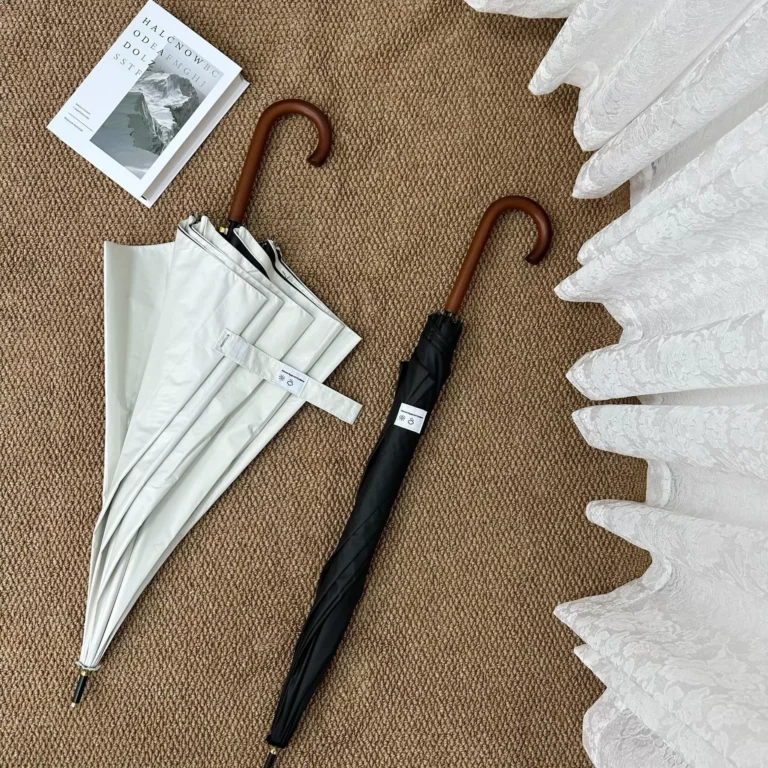
The quest for the perfect garden shade has taken a practical turn as one of Britain's leading news outlets puts a range of parasols through their paces. The Telegraph's gardening section has published findings from a hands-on test conducted in a private garden, aiming to identify which designs deliver the most reliable sun coverage. As outdoor living spaces become an extension of the home, the performance of shading products is under closer scrutiny than ever before.
How the Test Was Conducted
Rather than relying on laboratory simulations, the evaluation took place in a real garden setting over multiple sunny days. The tester assessed each parasol's ability to cast consistent, wide shade across a seating area, noting how the coverage shifted with the sun's movement. Stability in light winds, ease of opening and closing, and the quality of materials were also factored into the final judgments. Such real-world testing mirrors the conditions most buyers will encounter, giving the results a practical edge over purely technical data.
Key Features of an Effective Sun Shield
The review highlighted that not all parasols are equal when it comes to blocking harmful UV rays. Canopy size and shape directly influence the shadow footprint, while tilt mechanisms and height adjustment allow users to adapt to changing sun angles without moving furniture. Breathable, fade-resistant fabrics that maintain their protective qualities after prolonged exposure were noted as essential. Cantilever models, which offer unobstructed shade beneath, were praised for flexibility, though traditional centre-pole designs were found to be sturdier in gusty conditions. The report underscored that the best option often depends on the specific layout and exposure of a garden.
The Rising Importance of Outdoor Shade
Interest in garden parasols has surged alongside a broader trend toward outdoor entertaining and staycation culture. With longer summers and heightened awareness of skin cancer risks, consumers are increasingly treating shade as a health consideration rather than a mere comfort. Organisations like the Skin Cancer Foundation emphasise the importance of shade in reducing UV exposure, positioning well-designed parasols as part of a broader sun-safety strategy. Retailers report growing demand for models that combine style with functional sun protection, reflecting a market shift toward premium, durable products.
While the Telegraph's guide offers a useful starting point for shoppers, the publication notes that individual gardens, microclimates, and personal preferences will ultimately dictate the ideal choice. No single model will be perfect for every situation, and buyers are encouraged to consider how they plan to use the parasol before investing.
Why This Matters
As outdoor living spaces gain importance and skin cancer awareness rises, consumers need reliable, hands-on reviews to navigate a crowded market. The Telegraph's testing offers practical insight into features that genuinely affect sun protection, helping buyers make health-conscious and informed purchasing decisions.
FAQ
Who carried out the parasol testing?
The Telegraph's gardening section conducted the test, using a private garden setting to evaluate multiple parasols under real weather conditions.
What criteria were used to judge the parasols?
Key criteria included sun coverage consistency, stability in wind, ease of operation, and fabric durability. The tester paid particular attention to how well each model adapted to changing sun angles.
When were the findings made public?
The results were published recently on The Telegraph's website, though the testing took place over several sunny days during the peak outdoor season.
Why are these test results significant for consumers?
With growing interest in outdoor living and sun safety, a practical, garden-based comparison helps buyers choose parasols that effectively reduce UV exposure while fitting their specific space and lifestyle.
Sources
- The Telegraph (telegraph.co.uk)
- Skin Cancer Foundation (skincancer.org)
Source: telegraph.co.uk